How to Build a Sales Funnel for Your Digital Business in 2026
A sales funnel turns strangers into customers systematically. Here's how to build one that works — from traffic source to closed deal.
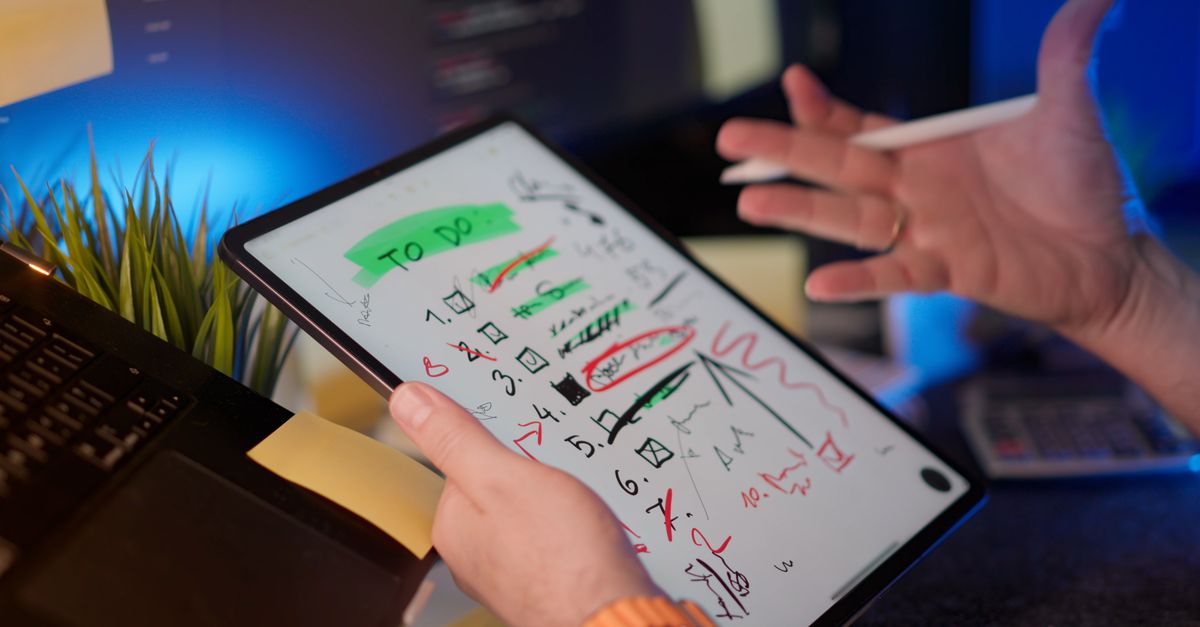
Photo : Jakub Zerdzicki / Pexels
# How to Build a Sales Funnel for Your Digital Business in 2026
A sales funnel is the journey a potential customer takes from first hearing about you to becoming a paying customer. Without a defined funnel, sales are random. With one, they become predictable — and predictability is the foundation of a scalable business.
The Classic Funnel Stages
Read also— in the same topic: Business & Growth
Free consultation
You have a project? Let's talk strategy.
30 min, no commitment. We analyse your situation and tell you what we'd do.
TOFU (Top of Funnel) — Awareness: Strangers discover you exist. Sources: Google search, social media, word of mouth, ads, PR.
MOFU (Middle of Funnel) — Consideration: They're interested and evaluating. They visit your website, read your content, compare you to alternatives.
BOFU (Bottom of Funnel) — Decision: They're ready to buy and choosing between you and competitors. Pricing pages, sales calls, demos, case studies.
Retention: Existing customers who buy again and refer others. Often neglected but highest ROI.
Funnel Design by Business Type
Service Business Funnel
Traffic sources → Blog content + Google Ads → Email list → Nurture sequence → Discovery call → Proposal → Client
The email list is the center of gravity. Not everyone who visits your site is ready to hire you — but 10-20% will exchange their email for something valuable (a guide, checklist, or free audit). Once in your list, a nurture sequence builds trust until they're ready to reach out.
Lead magnet ideas for service businesses:
E-commerce Funnel
Traffic → Product page → Add to cart → Checkout → Post-purchase → Repurchase
Each step has a conversion rate. Typical benchmarks:
Improving any step improves all downstream revenue.
Retargeting fills the gap: 70% of visitors who add to cart don't purchase. Retargeting ads (Facebook, Google) reach them with reminders and urgency.
SaaS/Digital Product Funnel
Traffic → Free trial or freemium → Onboarding → Feature discovery → Upgrade prompt → Paid
The critical metric: time to value. How quickly does a trial user experience the core benefit of your product? Faster time to value = higher trial-to-paid conversion.
The Email Nurture Sequence
Email remains the highest-ROI channel for moving prospects through a funnel. A basic nurture sequence after email capture:
Email 1 (immediately): Deliver the lead magnet. Welcome message. Set expectations for what you'll share.
Email 2 (day 2): Share a valuable insight related to the lead magnet topic. No pitch.
Email 3 (day 4): Share a relevant case study or success story. Introduce what you do naturally in context.
Email 4 (day 7): Address the most common objection (cost, timeline, DIY vs. agency). Demonstrate authority.
Email 5 (day 10): Soft offer — "If you're ready to talk, here's how to book a call."
Email 6 (day 14): Another valuable insight. Keeps relationship warm for those not ready to buy yet.
The sequence goal isn't to sell — it's to build trust and demonstrate expertise so that when the prospect IS ready, they reach out to you first.
Funnel Metrics That Matter
Cost per lead (CPL): Total marketing spend / number of leads generated. Know your CPL by channel.
Lead to customer conversion rate: What % of leads become paying customers? Industry average for B2B services: 2-5%. Top performers: 10-15%.
Customer acquisition cost (CAC): Total sales + marketing spend / new customers acquired. CAC should be less than 1/3 of customer LTV.
Funnel velocity: How long from first contact to close? Reducing this number by 20% means 20% more revenue from the same pipeline.
Tools for Building Your Funnel
Need expert guidance?
Flowify helps businesses worldwide build high-performing digital products. Contact us for a free audit.
Get a free quoteGet the next ones by email
Practical articles on web, SEO and automation. No sales pitch, unsubscribe in one click.